Black History Month Funny Black History: A Designer’s Honest Review
First Impressions: Lighthearted Yet Purposeful
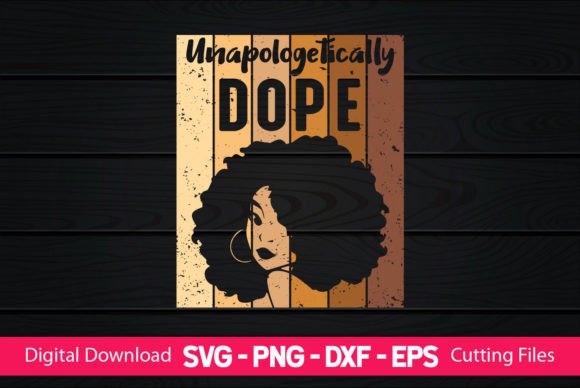
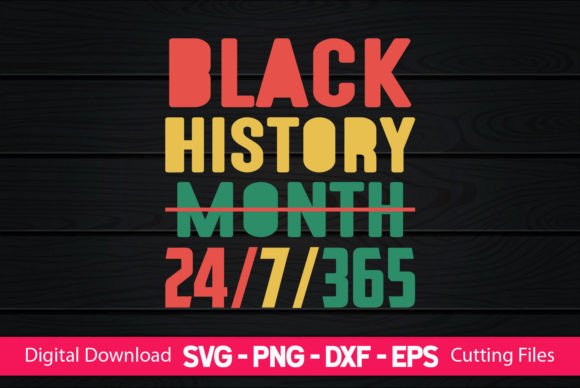
When I first opened the Black History Month Funny Black History design, I was struck by its playful tone and confident visual presence. It’s not your typical serious commemorative design—it leans into humor while still honoring the significance of the month. The layout feels modern and approachable, with a balance between illustrative elements and text that makes it ideal for a wide range of embroidery applications.
As a designer who frequently works on custom apparel and boutique-style items, I appreciated how the design strikes a middle ground between being fun and still respectful. It’s the kind of design that could spark conversation and smiles, especially in handmade items like tote bags, sweatshirts, or baby onesies.
Real-World Use: From Tote Bags to Sweatshirts
I tested the Black History Month Funny Black History design on a few different materials to see how it would hold up in actual use. Starting with a cotton tote bag, the design stitched cleanly with minimal distortion. The satin and fill stitches held their shape well, and the overall clarity of the lettering and graphics stayed sharp.
When I moved to a fleece sweatshirt, I noticed that the design maintained its readability and visual appeal, even on a slightly textured surface. I used a medium-weight stabilizer, which helped prevent puckering. This design would work well for Etsy sellers or small shop owners creating seasonal merchandise—especially around February, when Black History Month celebrations are at their peak.
Testing on Baby Items and Smaller Garments
I resized the design slightly to fit a baby onesie and was pleased with the results. The details held up surprisingly well, though I’d recommend avoiding very small hoop sizes if you’re planning to use this for baby embroidery. The smaller lettering and graphic elements start to lose clarity below a certain scale.
For parents looking for a lighthearted way to celebrate heritage and culture, this design could be a fun addition to a baby blanket or embroidered bib. It’s not overly complex, which makes it suitable for items that might need frequent washing without compromising the stitch quality.
Performance on Hats and Curved Surfaces
One of the trickier tests was applying the design to a curved surface like a baseball cap. While the design itself is flat and rectangular, I found that with some minor adjustments—like reducing the hoop size and using a flexible stabilizer—it stitched cleanly and looked polished.
If you're planning to use it for embroidered caps or curved items, I’d suggest doing a test run first. The key is to ensure the hoop fits securely and the fabric lays flat during the embroidery process. For small business owners creating boutique hats or Etsy sellers offering personalized headwear, this design could work with a little extra care.
Where to Use It Carefully
While the Black History Month Funny Black History design performs well in many situations, there are a few scenarios where extra attention is needed:
- Dark fabrics: Some of the lighter thread colors may not stand out as clearly, so test thread color contrast before stitching.
- Stretchy fabrics: These can cause distortion in satin stitches, so always use a quality stabilizer.
- Layered garments: Hoodies and thick jackets may require trimming of underlay threads to keep the design from bulking.
- Detailed corners: There are some small corners and lettering that may not stitch cleanly on textured or thick materials.
Visual Appeal and Marketability
From a visual standpoint, this design adds a unique personality to any product. It’s eye-catching without being overwhelming, and the humor makes it more accessible to a broader audience. If you're an Etsy seller or small business owner, this design can help elevate your brand’s seasonal offerings and create a memorable impression.
It also has strong giftability—especially for personalized items like tea towels, pillow covers, or custom baby gifts. The design’s clean layout and bold text make it easy to recognize and appreciate, which helps with customer trust and repeat purchases.
Designer Notes: What to Check Before You Stitch
Before diving into your project, here are a few practical tips based on my experience:
- Test on scrap fabric: Always do a test run, especially if you're using a new material or stabilizer.
- Check thread colors: Confirm that the colors included in the file match your intended look, especially on dark or patterned fabrics.
- Review stitch density: If the file allows editing, consider adjusting stitch density for optimal coverage without stiffness.
- Confirm hoop size: Make sure the design fits your machine’s hoop dimensions before stitching.
- Inspect small details: Zoom in on the design file to check for any tiny elements that might not stitch well on smaller items.
- Test in black and white: Sometimes the design reads differently without color, so it’s good to see how it looks in grayscale.
- Compare light and dark backgrounds: This design works best when the fabric complements the thread colors.
- Use proper stabilizer: A medium-weight tear-away or cut-away stabilizer is recommended for most fabrics.
- Check licensing: If you're planning to sell finished items or digital products, confirm the license terms before use.
Final Thoughts: A Versatile Design with Personality
Overall, the Black History Month Funny Black History design is a solid choice for designers, crafters, and small business owners looking to add a touch of humor and cultural relevance to their work. It’s adaptable, easy to stitch, and carries a message that resonates beyond just a design—it’s a conversation starter.
Whether you're creating custom apparel, embroidered patches, or seasonal Etsy listings, this design can enhance your product offerings and help you connect with customers on a more personal level. Just remember to test, adjust, and adapt based on your specific materials and use case, and you’ll get the most out of this fun and meaningful embroidery file.